
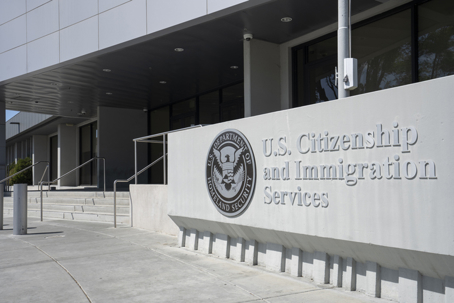
On May 22, 2026, U.S. Citizenship and Immigration Services (USCIS) announced a significant policy change that could impact many individuals seeking lawful permanent residence from within the United States. Under Policy Memorandum PM-602-0199, USCIS has stated that it will grant Adjustment of Status (AOS) applications only in "extraordinary circumstances," signaling a more restrictive approach to green card adjudications.
This announcement has raised concerns among immigrants, employers, and families who have long relied on the Adjustment of Status process to obtain permanent residence without leaving the country.
What Is Adjustment of Status?
Adjustment of Status is the process that allows eligible individuals who are already in the United States to apply for a green card without returning to their home country for consular processing. For decades, AOS has served as a practical and efficient pathway for many family-based and employment-based immigrants.
While Adjustment of Status has always been a discretionary benefit under immigration law, USCIS historically approved applications when applicants met the legal eligibility requirements and did not present significant negative factors.
What Changed Under the New USCIS Policy?
The new memorandum emphasizes that Adjustment of Status is an act of "administrative grace" and should not be viewed as the default alternative to consular processing. USCIS officers are now instructed to conduct a broader discretionary review and evaluate whether an applicant merits this relief based on the totality of the circumstances.
According to USCIS, individuals who entered the United States as nonimmigrants or were paroled into the country are generally expected to pursue immigrant visa processing abroad unless there are compelling reasons to approve adjustment from within the United States.
Importantly, the memorandum does not change the underlying immigration statutes. However, it provides new guidance to officers regarding how discretion should be exercised when reviewing Form I-485 applications.
Will Applicants Be Required to Leave the United States?
One of the biggest concerns surrounding this policy is whether applicants will now be forced to leave the United States and complete consular processing abroad.
At this stage, the answer remains unclear. The memorandum suggests that consular processing should be considered the ordinary path to permanent residence and that Adjustment of Status should be reserved for exceptional cases. However, USCIS has not provided a precise definition of what qualifies as an "extraordinary circumstance."
As a result, immigration attorneys across the country are closely monitoring how USCIS officers apply this guidance in real-world cases.
What Factors May Receive Increased Scrutiny?
While USCIS has not published a definitive checklist, reports from immigration practitioners indicate that officers may place greater emphasis on factors such as:
The applicant's intent when entering the United States
Why the applicant chose Adjustment of Status rather than consular processing
Whether the applicant has strong ties to the United States
Potential hardships associated with leaving the country
Family, employment, humanitarian, or national-interest considerations
Any adverse immigration history or status violations
The agency has indicated that officers should weigh both positive and negative factors when exercising discretion. Simply meeting the statutory requirements for Adjustment of Status may no longer be sufficient in some cases.
Who Could Be Affected?
The policy is expected to have the greatest impact on many family-based and employment-based green card applicants, particularly those whose cases rely heavily on discretionary approval.
Certain visa holders, including individuals who entered on visitor visas or student visas, may face additional scrutiny regarding their original intent and eligibility for adjustment. Meanwhile, some categories with statutory protections or non-discretionary adjustment provisions may be less affected.
Because every immigration case is unique, the practical impact of this policy will likely vary significantly from one applicant to another.
What Should Green Card Applicants Do Now?
If you are planning to file an Adjustment of Status application or currently have a pending Form I-485, now is the time to carefully evaluate your case strategy.
Given the heightened focus on discretionary factors, applicants should be prepared to document:
Their eligibility for permanent residence
Positive equities and contributions
Family and community ties
Employment history and economic contributions
Any humanitarian concerns or hardships that support remaining in the United States
Strong preparation and thorough documentation may become increasingly important as USCIS implements this policy.
Will I Need to Leave the U.S.?
This is the question USCIS's new policy memorandum has put at the center of the Adjustment of Status process.
Under Policy Memorandum PM-602-0199, USCIS states that Adjustment of Status should be granted only in "extraordinary circumstances" and that consular processing abroad is generally the preferred path to permanent residence. USCIS has emphasized that obtaining a green card from within the United States is a discretionary benefit rather than an entitlement.
However, the policy does not automatically require every applicant to leave the United States. The law governing Adjustment of Status has not changed, and eligible applicants may still file Form I-485 if they qualify. What has changed is the level of scrutiny USCIS officers may apply when deciding whether an applicant deserves this discretionary benefit.
At this time, there is still considerable uncertainty because USCIS has not clearly defined what constitutes an "extraordinary circumstance." As a result, applicants and immigration attorneys are closely monitoring how the agency implements this policy in practice.
For some individuals, particularly those whose cases involve strong humanitarian concerns, significant family hardship, or compelling equities favoring adjudication in the United States, Adjustment of Status may still remain a viable option. Others may face increased pressure to complete the immigrant visa process through a U.S. consulate abroad.
The key takeaway is that filing eligibility alone may no longer be enough. Applicants should be prepared to demonstrate why their case warrants approval from within the United States.
Who Can Still Safely File for Adjustment of Status?
While no one can guarantee how USCIS will apply this policy moving forward, several groups may be in a stronger position than others.
H-1B and L-1 Visa Holders
Many immigration practitioners believe that individuals in dual-intent visa categories—including H-1B and L-1 workers, as well as their H-4 and L-2 dependents—may be less affected by the policy. Because immigration law already recognizes that these visa holders can simultaneously maintain temporary status while pursuing permanent residence, their Adjustment of Status applications may align more closely with USCIS's stated framework.
Applicants with Strong Humanitarian Factors
Individuals facing significant hardship if required to leave the United States may have stronger arguments for Adjustment of Status. Examples could include serious medical concerns, family unity issues, caregiving responsibilities, or other compelling humanitarian considerations. USCIS officers have been instructed to review cases individually and consider all relevant circumstances.
Applicants with Significant Positive Equities
The new policy places greater emphasis on discretionary factors. Applicants who can demonstrate long-term lawful presence, stable employment, community involvement, tax compliance, family ties, and other positive contributions may be better positioned than those with limited evidence supporting a favorable exercise of discretion.
Family-Based Applicants Should Proceed Carefully
Family-sponsored immigrants remain eligible to apply for Adjustment of Status if they meet the statutory requirements. However, many family-based applicants may face additional questions regarding their immigration history, manner of entry, intent at the time of entry, and whether consular processing would be more appropriate. Careful case preparation is more important than ever.
Every Case Requires Individual Analysis
The reality is that USCIS has provided very few concrete examples of who will qualify under the new standard. Because the policy grants officers broad discretion, the strength of the applicant's overall case may become increasingly important.
What Should You Do If You Are Considering Adjustment of Status?
If you are planning to file for a green card or currently have a pending Adjustment of Status application, now is the time to evaluate your options with experienced legal counsel.
At the Law Office of Mana Yegani, we are closely monitoring how USCIS implements Policy Memorandum PM-602-0199. Our team can assess your eligibility, identify potential risks, and determine whether Adjustment of Status or consular processing is the strongest path forward for your immigration goals.
Experienced Guidance Matters More Than Ever
USCIS's new Adjustment of Status policy introduces significant uncertainty into an already complex immigration process. While the full impact of Policy Memorandum PM-602-0199 remains to be seen, applicants should not assume that eligibility alone guarantees approval.
At the Law Office of Mana Yegani, we closely monitor changes in immigration law and USCIS policy. Our team can evaluate your situation, identify potential risks, and develop a strategy tailored to your immigration goals.
If you have questions about Adjustment of Status, consular processing, or how this new USCIS policy may affect your case, contact our office today to schedule a consultation with an experienced immigration attorney.